
Breaking the Vicious Cycle
Introduction
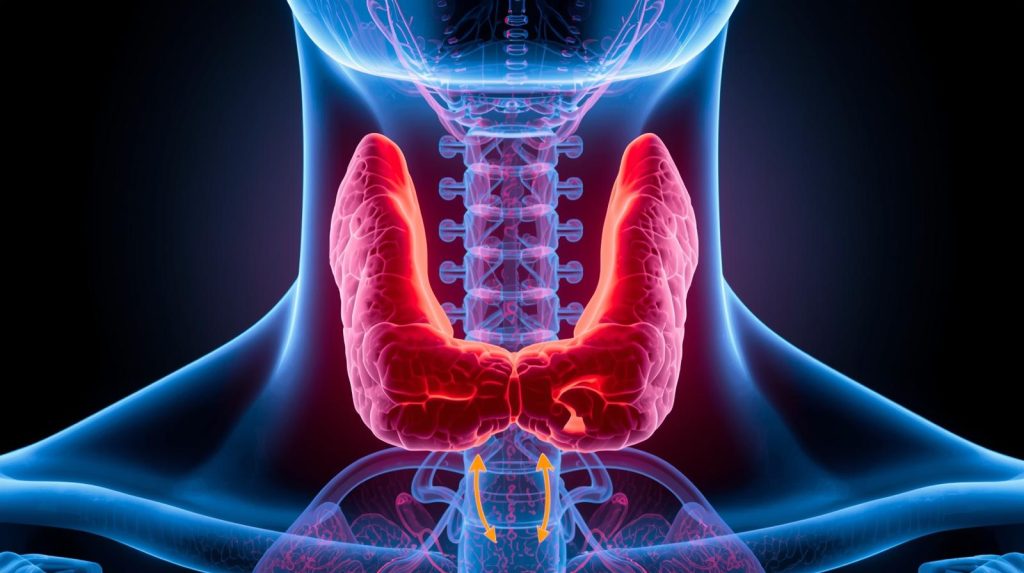
If you’ve been diagnosed with Hashimoto’s thyroiditis, you may already know how challenging it can be to manage symptoms like fatigue, brain fog, weight gain, and sluggish metabolism. But here’s something that often flies under the radar: the deep, two-way connection between Hashimoto’s and insulin resistance.
This isn’t just a coincidence—it’s a bidirectional relationship that can create a vicious cycle. Poor thyroid function can worsen blood sugar regulation, and insulin resistance can, in turn, inflame and damage thyroid tissue. Let’s take a deep dive into how these two conditions interact and what you can do about it.
The Bidirectional Relationship Between Hashimoto’s and Insulin Resistance
How Low Thyroid Hormones Trigger Insulin Resistance
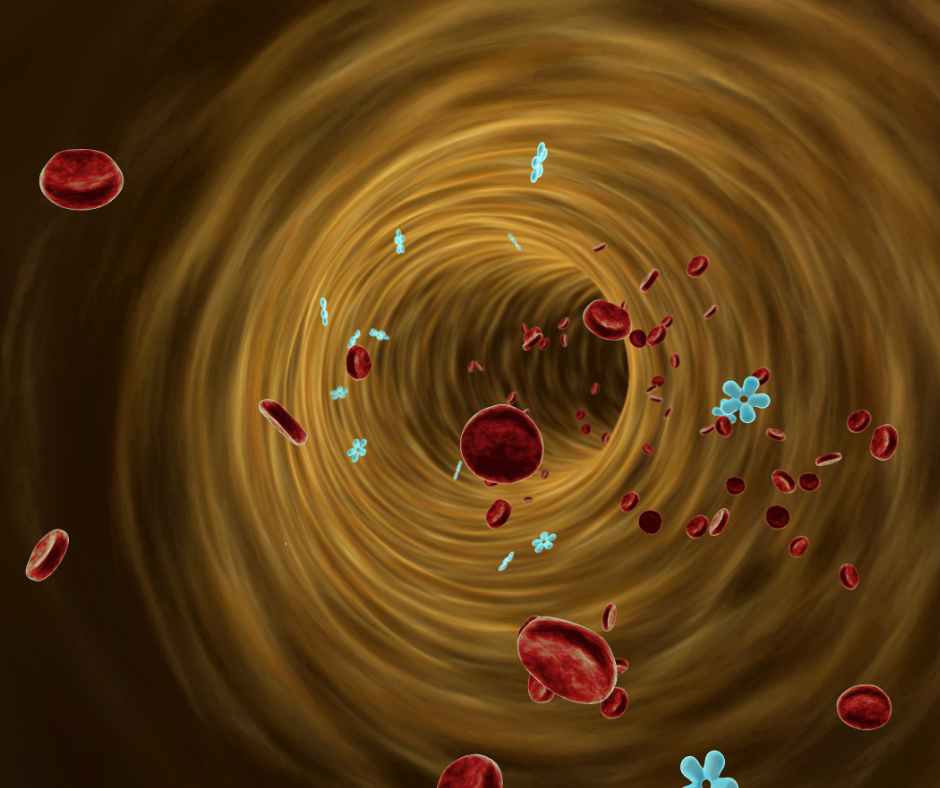
When thyroid hormone levels drop, your metabolism slows down. The active thyroid hormone T3 directly influences how your cells respond to insulin by regulating glucose transporter proteins (GLUT4). Without enough T3, your muscle and fat cells become less responsive to insulin’s signal, leaving glucose stuck in the bloodstream instead of being used for energy.
How Insulin Resistance Worsens Hashimoto’s
The reverse is just as important. Chronically high insulin levels create inflammation, and inflammatory proteins can “confuse” your immune system—a process known as molecular mimicry. This means your immune system may mistakenly attack thyroid tissue, worsening Hashimoto’s. Many people notice their Hashimoto’s symptoms flare during times of metabolic stress, pregnancy, or big lifestyle changes when blood sugar balance is disrupted.
How Hashimoto’s Contributes to Insulin Resistance
Slowed Metabolic Rate: Even mild hypothyroidism can lower your metabolic rate by 15–20%, leading to more fat storage and less efficient energy use.
Muscle Loss, Fat Gain: T3 supports muscle mass and glucose uptake. With Hashimoto’s, muscle often decreases while fat increases, reducing your body’s ability to regulate blood sugar.
Liver Dysfunction: Thyroid hormones regulate how the liver stores and releases glucose. Low thyroid function makes blood sugar more erratic, forcing the pancreas to pump out more insulin.
Poor Circulation: The cold intolerance many people with Hashimoto’s feel reflects sluggish circulation. That same reduced blood flow also slows insulin delivery to cells, contributing to functional insulin resistance.
How Insulin Resistance Worsens Thyroid Function
Inflammatory Cascade: Insulin resistance triggers inflammatory cytokines like TNF-alpha and IL-6, which are directly linked to the thyroid antibodies seen in Hashimoto’s.
Reverse T3 Dominance: Chronic inflammation pushes your body to convert thyroid hormone into inactive reverse T3, creating “cellular hypothyroidism.”
Sex Hormone Imbalance: Insulin resistance alters estrogen, progesterone, and testosterone levels—all of which affect thyroid hormone activity.
Adrenal Stress: High insulin often goes hand-in-hand with high cortisol, which suppresses thyroid hormone production and conversion.
Shared Root Causes
Both Hashimoto’s and insulin resistance often arise from the same underlying dysfunctions:
- Chronic inflammation (NF-κB activation, oxidative stress)
- Leaky gut and immune activation
- Mitochondrial dysfunction (low energy production)
- Micronutrient deficiencies: selenium, zinc, magnesium, vitamin D, B vitamins
Clinical Considerations
Labs That Give a Clearer Picture
Standard thyroid tests (TSH and T4) often miss the full picture. A more complete panel may include:
- Free T3 and reverse T3
- Thyroid antibodies (TPO-Ab, TG-Ab)
- Fasting insulin, fasting glucose, and HOMA-IR
- Hemoglobin A1c
- Inflammatory markers (CRP, ESR)
- Liver, kidney, and lipid panels
Recognizing Symptom Overlap
Fatigue, brain fog, weight gain, mood changes, and poor sleep can come from either thyroid dysfunction or insulin resistance—or both. Clues like post-meal crashes may point toward insulin resistance, while morning sluggishness often suggests thyroid issues.
Practical Strategies for Healing Both
Nutrition
- Anti-inflammatory diet: Prioritize omega-3s, colorful vegetables, and remove inflammatory foods like sugar and processed oils.
- Blood sugar balance: Include protein at every meal, pair carbs with healthy fats, and focus on low-glycemic foods.
- Thyroid-supporting nutrients: Brazil nuts (selenium), pumpkin seeds (zinc), leafy greens (magnesium), and safe iodine sources.
Lifestyle
- Stress reduction: Yoga, meditation, deep breathing, and consistent sleep all lower cortisol and support both thyroid and insulin health.
- Exercise: Resistance training helps build muscle (your largest glucose-burning tissue). Keep intensity moderate if fatigue is high.
- Sleep optimization: Poor sleep worsens both insulin resistance and thyroid function. Make sleep a priority in your healing plan.
Monitoring Progress
Healing is a journey. Improvements in blood sugar may come within weeks, but calming thyroid autoimmunity often takes months to years. Regular testing helps track progress and adjust your plan.
Conclusion
The connection between Hashimoto’s and insulin resistance is a classic “chicken-and-egg” situation. Each can drive the other, making symptoms worse if left unaddressed. The good news? By targeting root causes like inflammation, gut health, stress, and nutrient status, you can break the cycle.
If you’ve been struggling with persistent symptoms despite “normal” lab results, it may be time to look deeper into the thyroid-insulin connection.

Next Steps
If this resonates with you, I invite you to join my Hashimoto Healing Community – a supportive space where we dig deeper into root causes, explore personalized strategies, and walk the healing journey together. You don’t have to face this vicious cycle alone. Click HERE to learn more.