
Battling Fatigue with Hashimoto’s
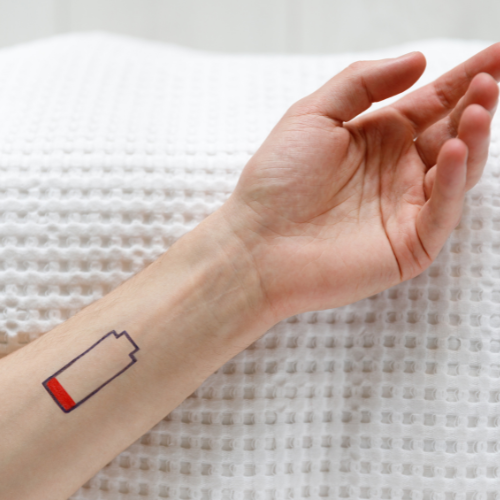
Fatigue is one of the most frustrating symptoms for people with Hashimoto’s thyroiditis, even for those who are taking thyroid medication. If you’re feeling perpetually drained, you’re not alone—and there’s a reason behind it. Let’s uncover why fatigue persists despite treatment and explore actionable steps to reclaim your energy.
Why Does Fatigue Persist Despite Medication?
Medication Doesn’t Address the Root Cause
Hashimoto’s is an autoimmune condition, not merely a thyroid hormone deficiency. While medications like levothyroxine or Synthroid replace thyroid hormones, they don’t target the autoimmune activity or inflammation damaging your thyroid. This ongoing immune dysfunction can leave you fatigued even when lab results appear “normal.”
Suboptimal T3 Levels
Most thyroid medications replace T4 (the inactive thyroid hormone), which your body must convert into T3, the active form that fuels metabolism, energy production, and brain function. Issues like stress, inflammation, or nutrient deficiencies can impair this conversion, leaving you fatigued. Testing free T3 and reverse T3 levels can help identify this problem.
Chronic Inflammation
Autoimmune activity triggers systemic inflammation, draining your body’s energy reserves. Even with adequate thyroid hormone levels, high inflammation can prevent you from feeling fully rested or energized.
Adrenal Dysfunction
Chronic stress, common in people with Hashimoto’s, can lead to adrenal imbalances such as high or low cortisol levels. Since the thyroid and adrenal glands are closely connected, an imbalance in one often affects the other. Disrupted cortisol levels can worsen fatigue and hinder thyroid hormone effectiveness.
Nutrient Deficiencies
Key nutrients like selenium, zinc, iron, vitamin D, and magnesium play critical roles in thyroid hormone production, conversion, and overall energy levels. Deficiencies in these nutrients can leave your body struggling to use thyroid hormones efficiently.
Gut Health Issues
A healthy gut is essential for thyroid health. Around 20% of T4 is converted to T3 in the gut, but conditions like leaky gut or dysbiosis (imbalanced gut bacteria) can disrupt this process. Gut issues may also lead to poor nutrient absorption, compounding fatigue.
Coexisting Conditions
Many people with Hashimoto’s also contend with other conditions like anemia, sleep apnea, or fibromyalgia, which contribute to fatigue. These issues can go undiagnosed if all symptoms are attributed solely to Hashimoto’s.
Medication Timing and Absorption
Taking thyroid medication incorrectly can reduce its effectiveness. For example, taking it with food or alongside supplements like calcium or iron can hinder absorption, resulting in inadequate thyroid hormone levels.
How to Combat Fatigue
Optimize Thyroid Hormone Levels
Work with your healthcare provider to ensure your thyroid levels—TSH, free T3, free T4, and reverse T3—are in optimal ranges. Some individuals benefit from combination therapy with T4 and T3 medications or switching to natural desiccated thyroid hormone.
Reduce Inflammation
Adopt an anti-inflammatory diet rich in whole, nutrient-dense foods. Avoid inflammatory triggers such as gluten, dairy, and processed foods. Incorporating omega-3 fatty acids, turmeric, and other anti-inflammatory foods can be beneficial.
Support Nutrient Status
Test for and address deficiencies in selenium, zinc, vitamin D, iron, and magnesium. Under the guidance of your healthcare provider, consider supplementation if necessary.
Heal Your Gut
Improve gut health by identifying and eliminating food sensitivities, incorporating probiotics to restore balance, and eating gut-healing foods like bone broth, fermented vegetables, and fiber-rich plants.
Manage Stress and Adrenal Health
Chronic stress exacerbates fatigue. Practice stress-reducing techniques like mindfulness, yoga, or meditation. Adaptogenic herbs like ashwagandha or rhodiola may support adrenal health, but consult your doctor before starting any new supplements.
Address Sleep and Coexisting Conditions
Ensure high-quality sleep by maintaining a consistent bedtime, limiting screen time before bed, and creating a calming evening routine. Discuss screening for conditions like sleep apnea or anemia with your doctor.
Evaluate Medication Timing
Take your thyroid medication on an empty stomach with water, ideally 30-60 minutes before eating or drinking anything else. Avoid taking it with supplements like calcium or iron, which can interfere with absorption.
Final Thoughts
Persistent fatigue in Hashimoto’s goes beyond low thyroid hormones. Addressing the root causes—like inflammation, nutrient deficiencies, gut health, and stress—can help restore your energy levels. True healing from Hashimoto’s requires a whole-body approach, and with persistence and the right strategies, you can rediscover vibrant energy and well-being.
Feeling Fatigued? Let’s Work Together!
If you’re ready to take control of your energy and health, I’m here to help. Together, we can create a personalized plan to address the root causes of your fatigue and help you feel like yourself again. Click here to book a complimentary 20-min consultation with me.