
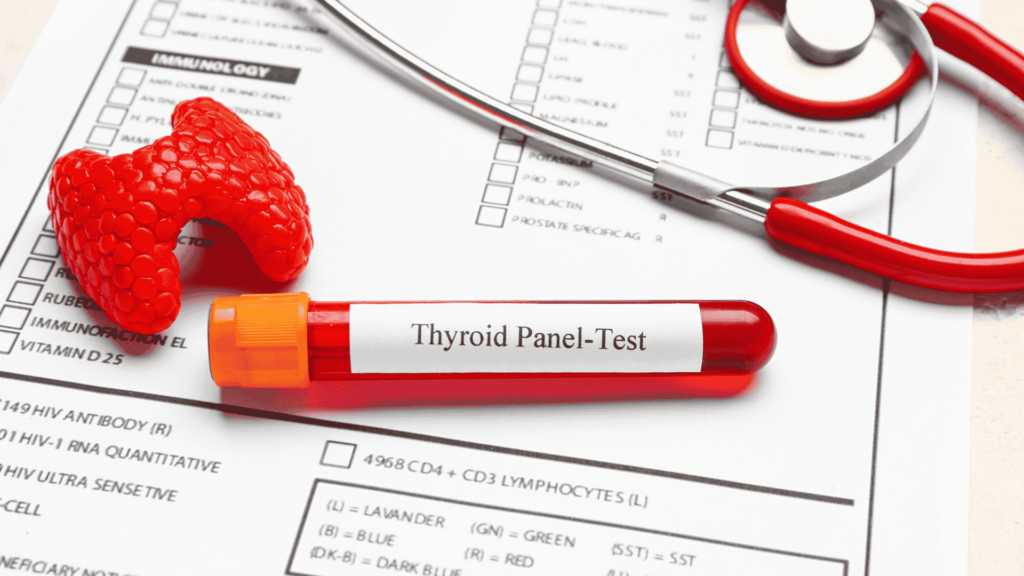
If you have Hashimoto’s thyroiditis and find yourself experiencing fatigue, weight gain, or brain fog even though your thyroid lab results are “normal,” you’re not alone. Many people with thyroid disorders wonder why their symptoms persist, even when test results show no apparent issues. This can be a frustrating experience, but understanding the nuances of thyroid health can help you find answers and solutions.
This post explores why symptoms can linger despite normal lab results, common thyroid markers, and key factors that impact thyroid function. Let’s dive into this complex but crucial topic!
Understanding the Lab Results Puzzle
For those with Hashimoto’s, lab results can often seem confusing. Many people assume that if their thyroid levels are within the “normal” range, they should feel symptom-free. However, it’s essential to understand that normal lab ranges are often based on average values from the general population, and “normal” doesn’t necessarily mean “optimal.” The right hormone levels for you may vary from the standard range. This discrepancy highlights the difference between simply avoiding disease and achieving real, vibrant health. Additionally, many health practitioners only consider results as ‘problematical’ when they fall outside of the ‘normal’ range. It’s important to compare current with previous results – are they stable, improving, or getting worse. If they are getting worse, why wait until they meet some arbitrary threshold?
Thyroid Lab Markers Explained
If you’ve had a thyroid panel done, it likely included several markers. Here’s a closer look at these markers and how they affect your health:
- TSH (Thyroid Stimulating Hormone): Often the primary measure for thyroid health, TSH is a hormone released by the pituitary gland to signal the thyroid to produce T4 and T3. However, TSH alone doesn’t provide a full picture of thyroid health, as it doesn’t measure actual thyroid hormones.
- T4 (Thyroxine) and T3 (Triiodothyronine): T4 is a storage hormone produced by the thyroid, while T3 is the active form your body uses. If the conversion of T4 to T3 is disrupted, your body may lack enough active hormone, leading to symptoms even if T4 appears normal.
- Reverse T3 (rT3): Reverse T3 is an inactive form of T3. High levels of rT3 can block active T3 from doing its job, creating what is known as “reverse T3 dominance.”
- Thyroid Antibodies (TPO and TG): Elevated levels of TPO (Thyroid Peroxidase) and TG (Thyroglobulin) antibodies indicate ongoing autoimmune activity. Even if TSH is normal, high antibody levels suggest that the immune system is attacking the thyroid, often contributing to persistent symptoms.
While each of these markers provides valuable information, they’re only part of a more extensive thyroid and immune health puzzle. Other underlying issues can also significantly impact how well your thyroid functions, regardless of lab results.
Factors That Affect Thyroid Function Despite Normal Labs
Several factors can contribute to symptoms that linger despite “normal” lab results. Here are some of the most common ones:
1. Inflammation and Autoimmune Activity
Hashimoto’s is primarily an autoimmune disorder where the immune system mistakenly attacks thyroid cells. This immune response triggers chronic inflammation, which can cause symptoms like joint pain, fatigue, brain fog, and digestive issues.
Even when lab values fall within the normal range, elevated thyroid antibodies (TPO and TG) indicate ongoing autoimmune activity. Persistent inflammation can keep symptoms present, regardless of how your thyroid hormones look on paper.
2. Nutrient Deficiencies
Many people with Hashimoto’s struggle with deficiencies in nutrients essential for thyroid health, including:
- Selenium: Necessary for converting T4 into the active T3 hormone. Low selenium levels can impair this conversion.
- Zinc: Critical for thyroid hormone production and immune function. Zinc deficiency can worsen thyroid symptoms and disrupt immune balance.
- Iron (Ferritin): Low ferritin levels impair thyroid function and reduce energy, as iron is essential for hormone production and oxygen transport.
- Vitamin D: Important for immune regulation; low levels are linked to increased autoimmune activity and inflammation, both of which can worsen Hashimoto’s symptoms.
Correcting nutrient deficiencies can help ease symptoms, even when lab tests show normal hormone levels.
3. Gut Health
The gut plays a central role in thyroid health by regulating immunity and aiding in hormone conversion. Issues like leaky gut (intestinal permeability) or gut dysbiosis (imbalance in gut bacteria) can worsen autoimmune activity and disrupt nutrient absorption, hindering thyroid function.
Approximately 20% of T4 is converted to T3 in the gut, so poor gut health can reduce the amount of active thyroid hormone in the body. Addressing gut health through diet, probiotics, and eliminating food sensitivities (like gluten and dairy) can support thyroid health and improve symptoms.
4. Adrenal Stress
Chronic stress strains the adrenal glands, which produce cortisol—a hormone that helps manage stress. Persistent high or low cortisol levels can disrupt energy, mood, and weight regulation, all of which are often problematic for those with Hashimoto’s.
Stress can also lead to reverse T3 dominance, where elevated levels of reverse T3 block active T3, leaving you feeling fatigued and mentally foggy. Managing stress through lifestyle practices, proper sleep, and adrenal-supportive herbs (like ashwagandha or rhodiola) can help improve symptoms.
5. Hormonal Imbalances
Hashimoto’s impacts other hormones, including estrogen, progesterone, and cortisol. Imbalances in these hormones can worsen symptoms:
- Estrogen Dominance: Too much estrogen relative to progesterone can increase thyroid-binding globulin (TBG), which binds thyroid hormones and makes them less available for use. This can lead to symptoms even if total hormone levels are “normal.”
- Progesterone and Cortisol Imbalances: Chronic stress, perimenopause, or low progesterone can contribute to thyroid-related issues like fatigue, mood changes, and weight gain.
Balancing hormones through diet, lifestyle, and sometimes bioidentical hormones can ease these issues and improve thyroid function.
6. Toxin Exposure
Environmental toxins, like heavy metals (mercury, lead, cadmium) and endocrine disruptors (BPA, phthalates), can interfere with thyroid function. Heavy metals, for example, disrupt hormone production, while endocrine disruptors mimic natural hormones and create an imbalance in the thyroid.
Practicing regular detoxification, minimizing toxin exposure, and supporting liver function can help reduce the thyroid’s toxic burden and improve symptoms.
Bringing It All Together: A Holistic Approach to Thyroid Health
The thyroid interacts with the immune system, gut, adrenals, and hormones. Disturbances in any of these areas can create lingering symptoms, even when thyroid labs look “normal.” This is why taking a holistic approach that addresses diet, lifestyle, stress management, and supplementation can bring the body back into balance and help people with Hashimoto’s feel their best.
Healing from Hashimoto’s is a journey, and while lab results don’t always capture every detail of thyroid health, there are ways to support deeper healing over time. By tackling these underlying factors, individuals with Hashimoto’s can experience significant symptom relief and a return to vibrant health, even if lab results don’t show a dramatic change.
Key Takeaway: Go Beyond Labs to Find Your Optimal Health
Lab results are a useful tool, but they don’t always tell the whole story. By looking beyond the numbers and addressing factors like inflammation, nutrient deficiencies, gut health, stress, and hormonal balance, you can support your thyroid more comprehensively and feel more like yourself again.
This blog post covers the complexities of thyroid health, and taking proactive, holistic steps to address the underlying causes of Hashimoto’s symptoms can make all the difference. Remember, your health journey is unique, and finding what works best for you is worth the effort! If you want to discuss concerns about your health, click here to book a complimentary 20-min consultation with me.